Key Learnings
- At CIPS Center for Brain Care, we provide MeRT therapy for autism as a non-invasive, drug-free neuromodulation therapy and brain stimulation treatment focused on brain regulation and improved ASD symptoms.
- Research on neuromodulation like MeRT, including transcranial magnetic stimulation (TMS) and repetitive transcranial magnetic stimulation (rTMS), suggests some individuals with autism spectrum disorder may see improvements in sleep, attention, sensory processing, and emotional regulation, though responses can vary.
- MeRT treatment for autism begins with quantitative EEG brain mapping and an individualized treatment plan designed to support brain function, neural connectivity, and overall quality of life. It is completed over the course of a few weeks, with daily treatment in our Bryn Mawr facility.
Why Families Explore MeRT Therapy for Autism
At CIPS Center for Brain Care, we often meet families who explore MeRT therapy for autism because it addresses underlying brain regulation rather than behavior alone.
Many parents tell us that challenges with sleep disturbances, attention difficulties, sensory processing differences, emotional reactivity, or communication persist even when applied behavior analysis, occupational therapy, speech therapy, and educational supports are already in place.
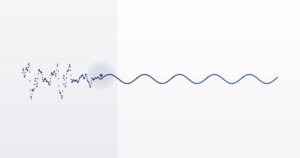
In our clinical work, MeRT therapy offers a brain-based approach. By using quantitative EEG testing, autism brain mapping, and EEG-guided stimulation, we focus on how the brain is functioning beneath the surface rather than relying on behavioral observation alone.
When families sense that progress is limited by arousal, regulation, or brainwave activity rather than effort or instruction, this approach can feel like a missing piece in their autism treatment plan. This perspective aligns with autism research, which frequently describes these challenges as reflections of differences in brain activity, neural connectivity, and network synchronization rather than isolated behavioral symptoms. For this reason, we use MeRT therapy for autism to support brain regulation in a way that may allow other therapies to work more effectively within a broader care plan.
A Critical Clarification: What MeRT Therapy Is and Is Not
At CIPS Center for Brain Care, we recognize that MeRT therapy for autism spectrum disorder has clear clinical boundaries.
Autism spectrum disorder is a neurodevelopmental condition, not an illness to eliminate. MeRT therapy does not claim to cure autism, reverse diagnosis, or replace established autism treatments.
Instead, MeRT treatment protocols support brain regulation, brainwave organization, neural signaling, and functional brain activity, which may help improve tolerance for learning, communication, emotional regulation, executive functioning, and daily routines. This framing reflects how neuromodulation research describes autism treatment approaches: as supportive, individualized tools rather than standalone solutions.
The Science Context: Neuromodulation and Autism Spectrum Disorder
We draw on a growing body of research examining neuromodulation as a supportive autism treatment approach. Much of this research builds on principles from transcranial magnetic stimulation (TMS) and repetitive transcranial magnetic stimulation, examining how magnetic pulses interact with cortical excitability and brain connectivity. While the literature suggests benefits, it also highlights significant variability across individuals with autism spectrum disorder, reinforcing the importance of individualized evaluation and treatment planning.
EEG-Guided Approaches Matter in Autism Care
In both research and clinical practice, autism spectrum disorder is understood to be highly heterogeneous.
Even when studies identify shared patterns of dysregulated brain activity, those patterns differ widely from one child or adult to another.
At CIPS Center for Brain Care, EEG-guided approaches — including Magnetic e-Resonance Therapy (MeRT) — allow us to measure brainwave activity directly to treat ASD, rather than relying solely on behavioral observation. Quantitative EEG helps identify patterns related to arousal, regulation, sensory integration, and network timing, which supports personalized treatment decisions rather than one-size-fits-all protocols.
How MeRT Therapy Is Delivered
At CIPS Center for Brain Care, MeRT therapy for autism follows a structured clinical process rather than a generic protocol.
Care begins with quantitative EEG brain mapping and EEG testing for autism to assess brain function, brainwave patterns, sensory processing markers, regulation indicators, and overall neurological balance. Based on this data, our clinical team develops an individualized MeRT treatment plan.
Magnetic stimulation is delivered through specialized equipment that generates targeted magnetic pulses designed to influence specific areas of the brain identified during mapping. The process is gentle and non-invasive. The patient sits in a chair and wears a helmet-like device once a day over the course of a few weeks.
Treatment parameters may be adjusted over time, and sessions are typically scheduled daily over the course of several weeks with the help of your patient coordinator. Our goal is a comfortable approach for everyone involved.
Autism Symptoms Families Are Hoping to Improve
Families exploring magnetic resonance therapy treatment for autism often describe similar goals. These commonly include improving ASD-related challenges such as sleep regulation, attention, sensory processing, emotional regulation, and stress tolerance.
Some parents also report concerns related to eye contact, social engagement, repetitive behaviors & OCD tendencies, communication skills, or behavioral symptoms that interfere with learning and daily functioning. The goal of MeRT therapy is not to change identity, but to support improved brain function in ways that may make day-to-day life easier and allow other therapies to be more effective.
Realistic Expectations for MeRT Therapy for Autism
When families see progress with MeRT therapy, it’s typically gradual and cumulative rather than immediate. Changes may include improved sleep consistency, better emotional regulation, improved social engagement and social skills,or incremental gains in communication.
For some families, even modest changes can meaningfully support a child’s development and participation in therapy, even while core autism spectrum disorder traits can remain.
Safety, Side Effects, and Drug-Free Considerations
MeRT therapy is a non-invasive, drug-free autism treatment option. It does not involve anesthesia or medication. Reported side effects of magnetic stimulation, non-invasive brain stimulation, and transcranial magnetic stimulation are generally mild and temporary, such as brief scalp discomfort or fatigue. Careful screening and monitoring are especially important for individuals with seizure history, sleep disorders, anxiety, or other neurological conditions.
Who May Be a Good Candidate for MeRT Treatment for Autism
MeRT treatment for autism may be considered when regulation challenges and ASD symptoms significantly limit daily functioning, learning, or participation in other therapies.
It may be appropriate for individuals who have tried multiple autism treatments and are seeking additional support for brain regulation. It may be less appropriate when expectations focus on rapid transformation or replacing established therapies.
Cost, Time Commitment, and Practical Questions
Families frequently ask about the cost of MeRT therapy for autism. At CIPS Center for Brain Care, MeRT treatment typically ranges from $3,000 to $5,000 for a full course of care, usually completed over two to four weeks.
Treatment duration varies based on individual response, brain activity patterns, and goals. Our team and your new patient coordinator will work closely with you to explain timelines, expectations, and whether MeRT therapy is the best option.
How MeRT Fits Into a Broader Autism Care Plan
Autism research consistently emphasizes multidisciplinary care. In our experience, MeRT therapy works best as one component within a broader autism treatment plan that may include applied behavior analysis, occupational therapy, speech therapy, educational supports, and family-based interventions.
The focus remains on supporting daily function, social interaction, communication skills, emotional regulation, and quality of life.
Ready to Talk With a Professional About Your Child or Family Member?
If you’re exploring MeRT therapy for autism near you, including non-invasive brain therapy options for autism spectrum disorder, a consultation at CIPS Center for Brain Care can help determine whether this approach is a fit for your child or family member.
Connect with our team to learn how MeRT therapy works, what the evaluation process looks like, and whether a consultation makes sense for your family.
Frequently Asked Questions About MeRT Therapy for Autism
Does MeRT therapy for autism work?
Some individuals experience improvement in specific autism-related challenges, while others do not. Outcomes depend on brain activity patterns, comorbid conditions like comorbid sleep troubles, and how MeRT therapy is integrated with other treatments.
What are the side effects of MeRT treatment for autism?
Side effects from the magnetic waves are generally mild and temporary, similar to those reported with transcranial magnetic stimulation.
Does insurance cover MeRT for autism?
Most insurance plans consider MeRT investigational, and it is typically a self-pay treatment. Our team can help families understand costs and next steps.
What else is MeRT therapy used for?
We work with individuals suffering from a range of health issues, including tinnitus, obsessive compulsive disorder (OCD), recovery from traumatic brain injuries, major depressive disorder, anxiety, PTSD, and more.
Scientific & Medical Resources
The Potential of Magnetic Resonant Therapy in Children with Autism Spectrum Disorder